Underground Water Storage Tanks
Watch the video
Principle :
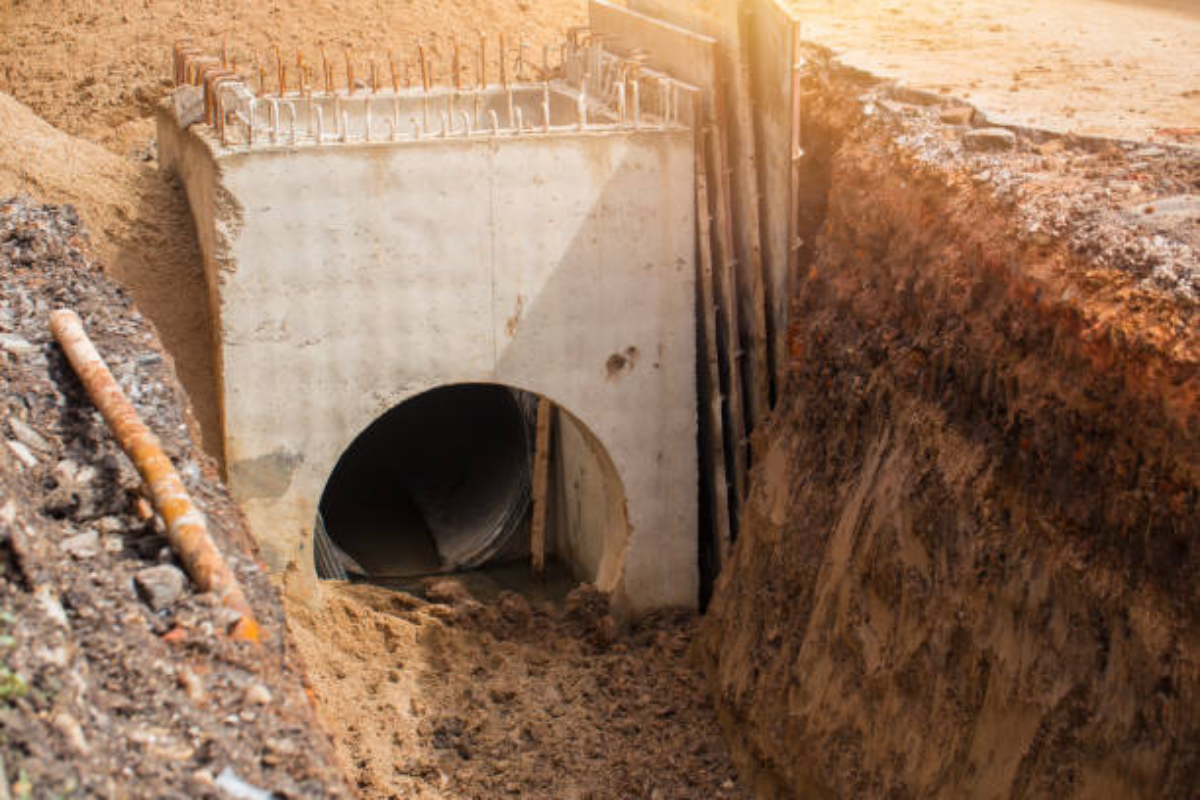
Underground water storage tanks are structures designed to store water below the earth's surface. These tanks can be used for various applications such as potable water conservation, rainwater harvesting, agricultural irrigation, or storing treated wastewater. Made from durable materials like concrete, plastic, or steel, these tanks are buried to protect the water from contaminants, reduce evaporation, and save surface space. They play a crucial role in the sustainable management of water resources, especially in regions prone to drought or with limited infrastructure for water storage.
Advantages :
- Protection from Contaminants: Underground water storage tanks protect water from environmental pollutants and debris, ensuring high water quality.
- Reduced Evaporation: By being buried, these tanks significantly reduce water losses due to evaporation, which is especially beneficial in arid regions.
- Space Efficiency: Underground installation frees up surface space, allowing the area to be used for other needs such as agriculture or urban development.
Disadvantages :
- High Initial Cost: The construction and installation of underground tanks can require significant initial investment, including excavation and construction costs.
- Access and Maintenance: Accessing underground tanks for inspection, cleaning, and maintenance can be challenging and costly, requiring specialized equipment.
- Leak Risks: In case of a leak, detection and repair can be complex and expensive, and leaks can lead to contamination of the surrounding groundwater.


0
0
votes
Article Rating
Subscribe
Login
0 Comments
Oldest
Newest
Most Voted
Inline Feedbacks
View all comments