sprinkler irrigation
Watch the video
Principle :
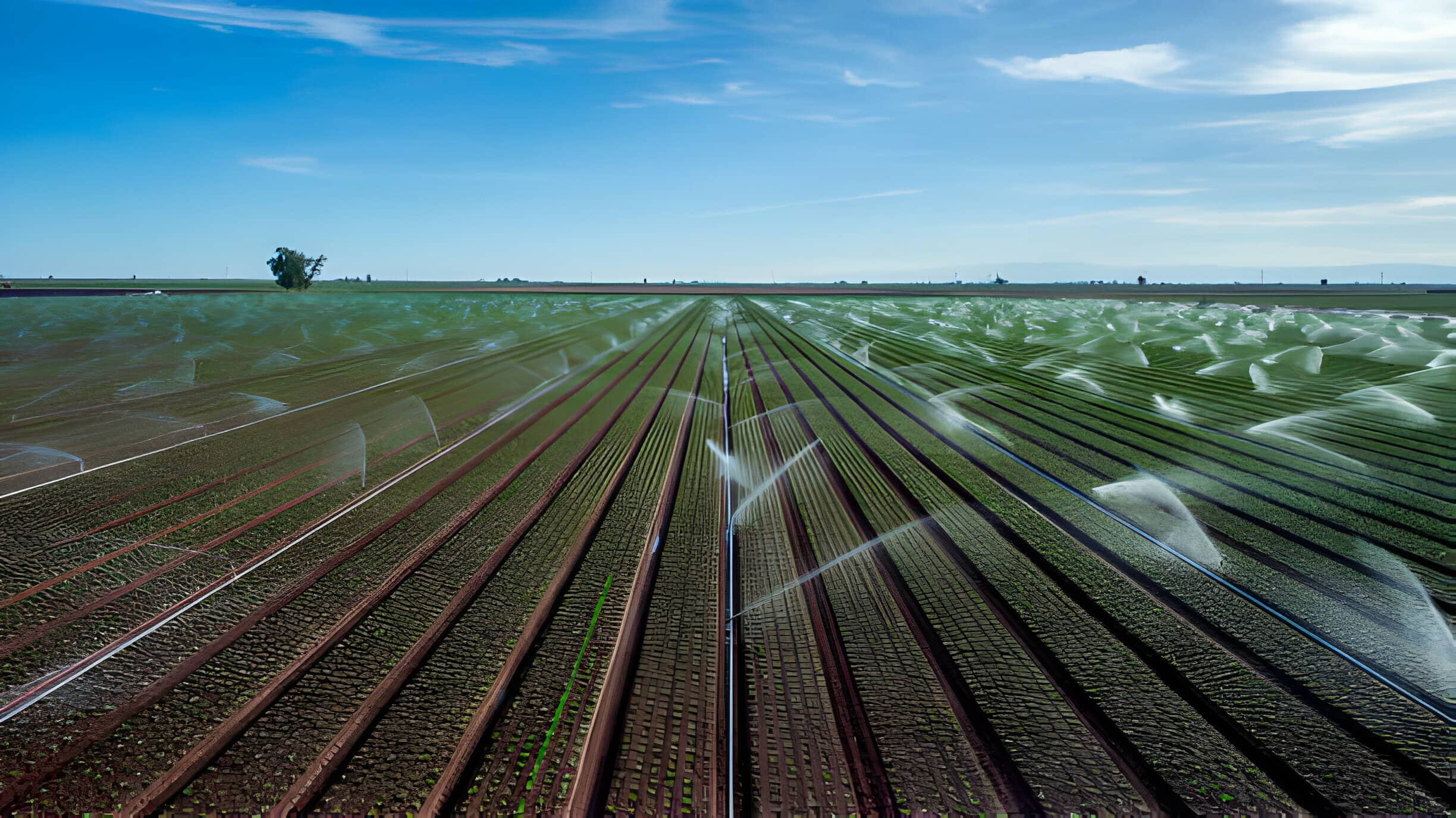
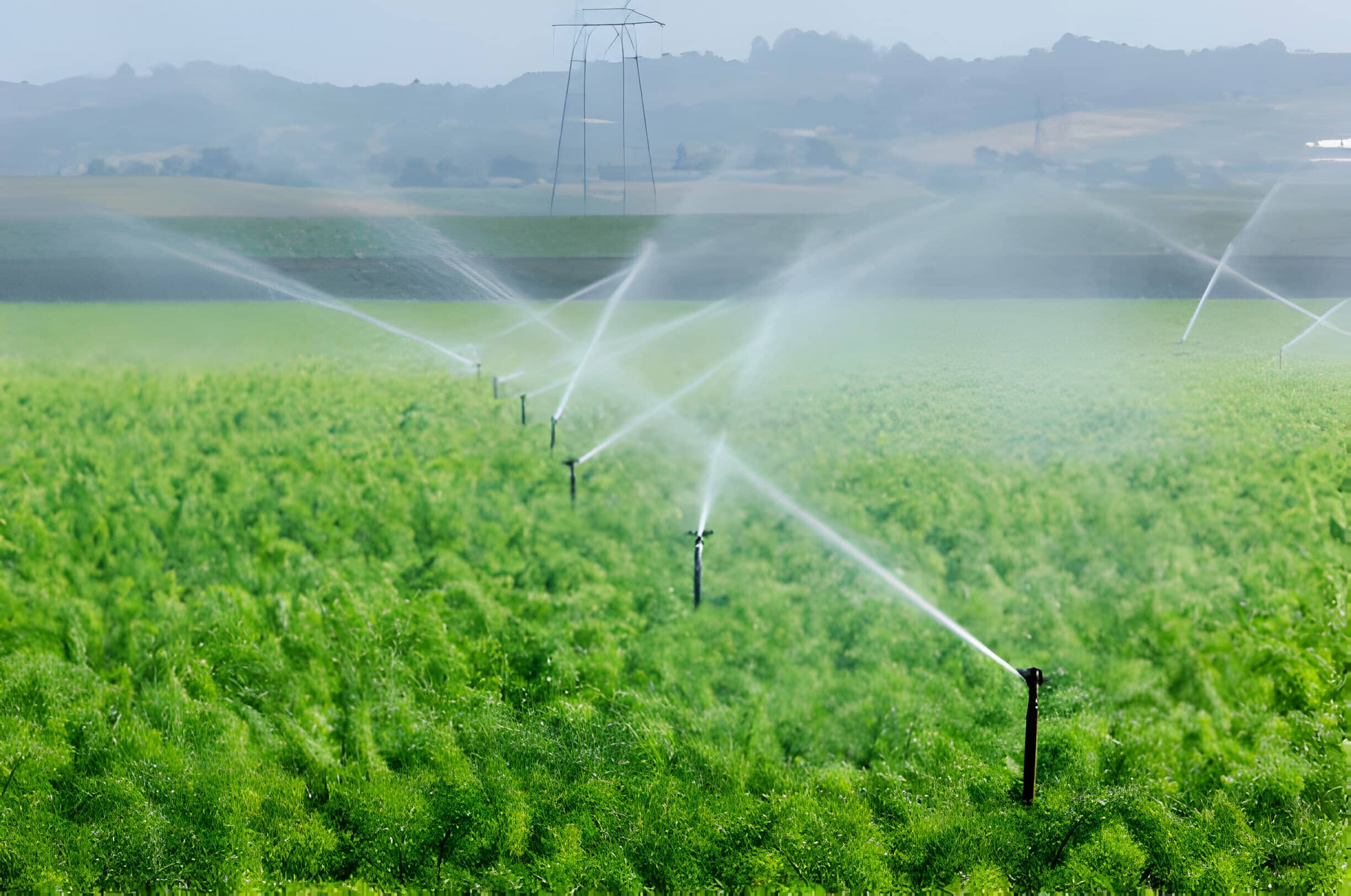
Sprinkler irrigation is a method of applying water to crops or plants in a controlled manner by distributing it through a network of pipes and sprinklers. In this system, water is sprayed into the air and allowed to fall onto the soil surface in a manner similar to rainfall. Sprinkler irrigation can be used in various agricultural settings, including fields, orchards, and gardens. It offers advantages such as uniform water distribution, flexibility in application, and the ability to irrigate large areas efficiently. However, it also has limitations, including the potential for water loss due to evaporation and wind drift, as well as the need for regular maintenance to ensure proper functioning of the system.
Advantages :
- Uniform Water Distribution: Sprinkler irrigation allows for even water distribution over the irrigated area, ensuring balanced hydration of crops.
- Adaptability to Different Types of Crops: This system can be used to irrigate a wide variety of crops, whether they are in rows, beds, or cover crops.
- Possible Automation: Sprinkler irrigation can be automated, allowing for the scheduling of irrigation cycles based on crop needs and weather conditions.
Disadvantages :
- Possible Automation: Sprinkler irrigation can be automated, allowing for the scheduling of irrigation cycles based on crop needs and weather conditions.
- High Initial Costs: Installing a sprinkler irrigation system requires a significant initial financial investment for purchasing equipment and installing the system.
- Energy Consumption: The operation of pumps and sprinklers in a sprinkler irrigation system may require significant energy consumption, leading to high operating costs.
0
0
votes
Article Rating
Subscribe
Login
0 Comments
Oldest
Newest
Most Voted
Inline Feedbacks
View all comments