fog irrigation system
Watch the video
Principle :
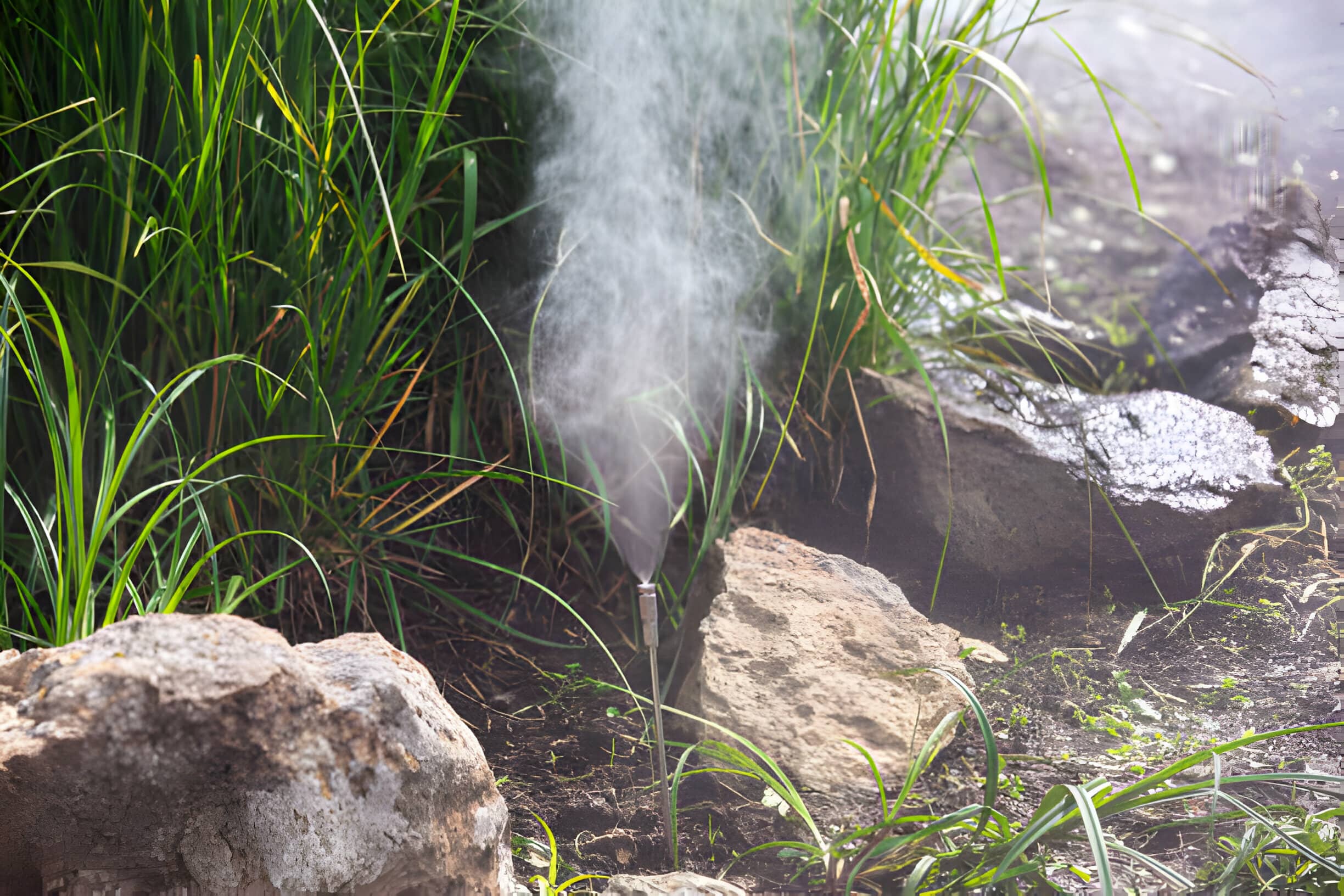
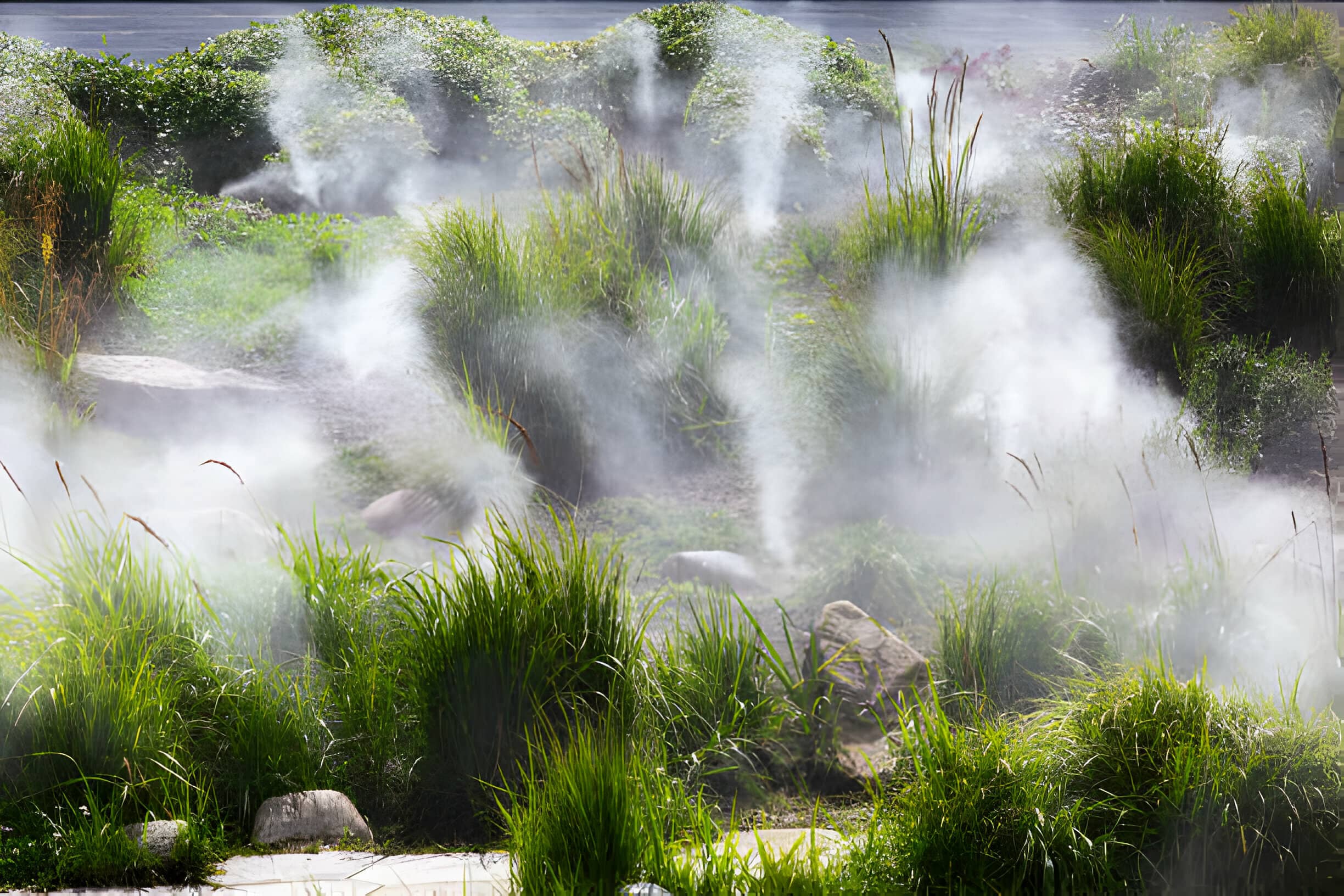
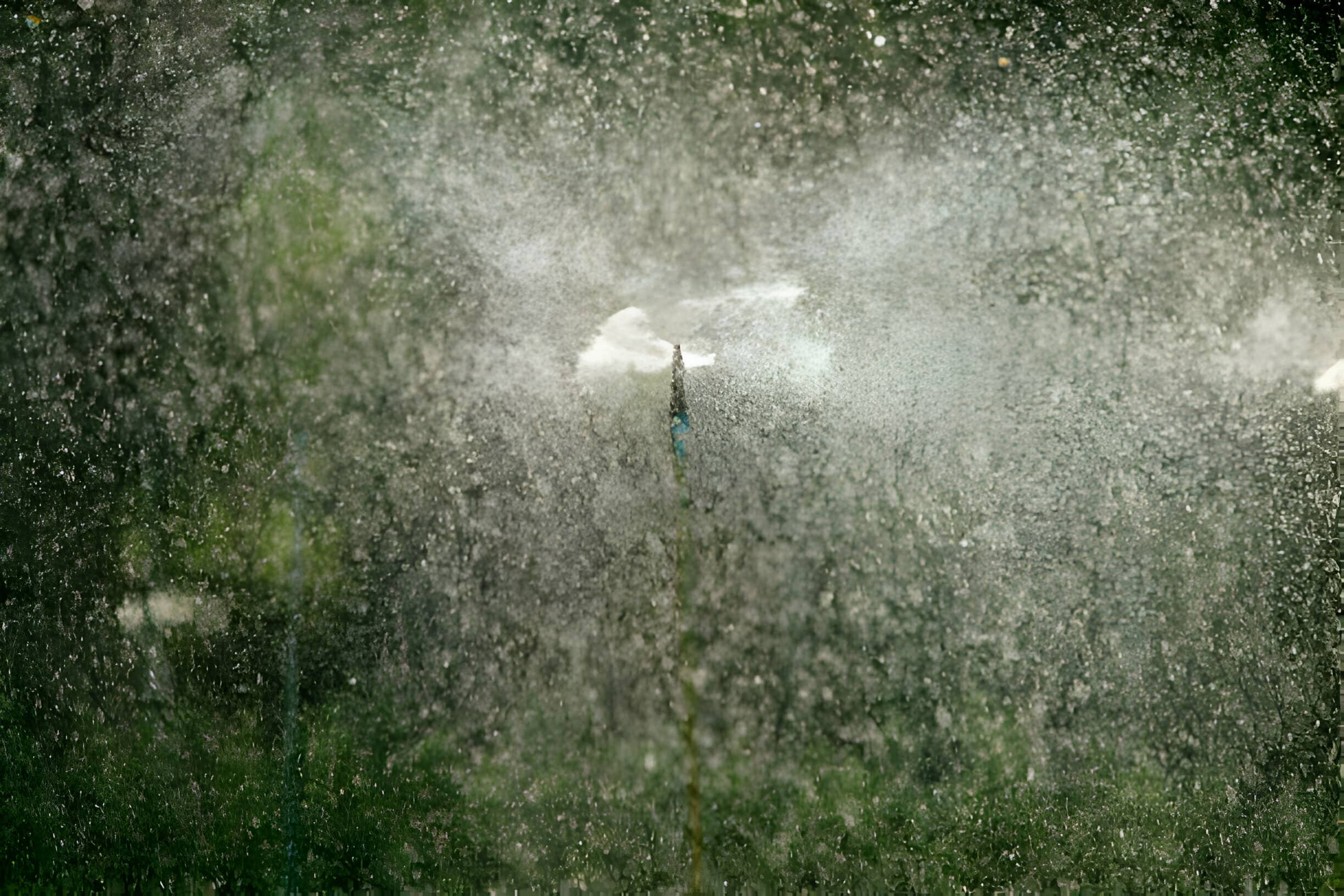
A fog irrigation system is a cutting-edge method of irrigating crops by dispersing water in the form of ultra-fine droplets, which form a mist or fog around the plants. This innovative system precisely targets the plant foliage, delivering moisture directly to the leaves and stems. By bypassing the soil and delivering water directly to where it's needed most, fog irrigation promotes optimal plant hydration while minimizing water loss through evaporation or runoff. Compared to conventional irrigation techniques, which primarily water the soil surface, fog irrigation offers the potential for significant water savings and increased efficiency in agricultural water management.
Advantages :
- Efficient water usage: Fog irrigation allows for precise water distribution directly onto the leaves and stems of plants, thereby avoiding water wastage through evaporation or runoff. This enables more efficient utilization of the water resource.
- Reduction of thermal stress: The fine mist produced by fog irrigation can help lower ambient temperature and reduce thermal stress on plants, particularly in hot and arid climates.
- Minimization of soil-borne diseases: By providing water directly to the above-ground parts of plants, fog irrigation can help reduce the development of soil-borne diseases, such as fungal diseases, by limiting contact with soil moisture.
Disadvantages :
- High initial cost: Installing a fog irrigation system may require a significant initial investment in terms of specialized equipment and technology, which can be prohibitive for some farmers, especially those in resource-limited regions.
- Maintenance required: Fog irrigation systems require regular maintenance to ensure optimal operation. This may include cleaning nozzles, checking filters and pumps, as well as monitoring water pressure. Inadequate maintenance can lead to decreased performance and additional costs.
- Risk of plant diseases: While fog irrigation may help reduce soil-borne diseases, it can also promote the development of plant diseases related to moisture, such as mildew or leaf rot, if used excessively or if environmental conditions are conducive to their spread. Therefore, a balanced approach in the use of this method is essential to avoid these risks.
0
0
votes
Article Rating
Subscribe
Login
0 Comments
Oldest
Newest
Most Voted
Inline Feedbacks
View all comments