check basin method
Watch the video
Principle :
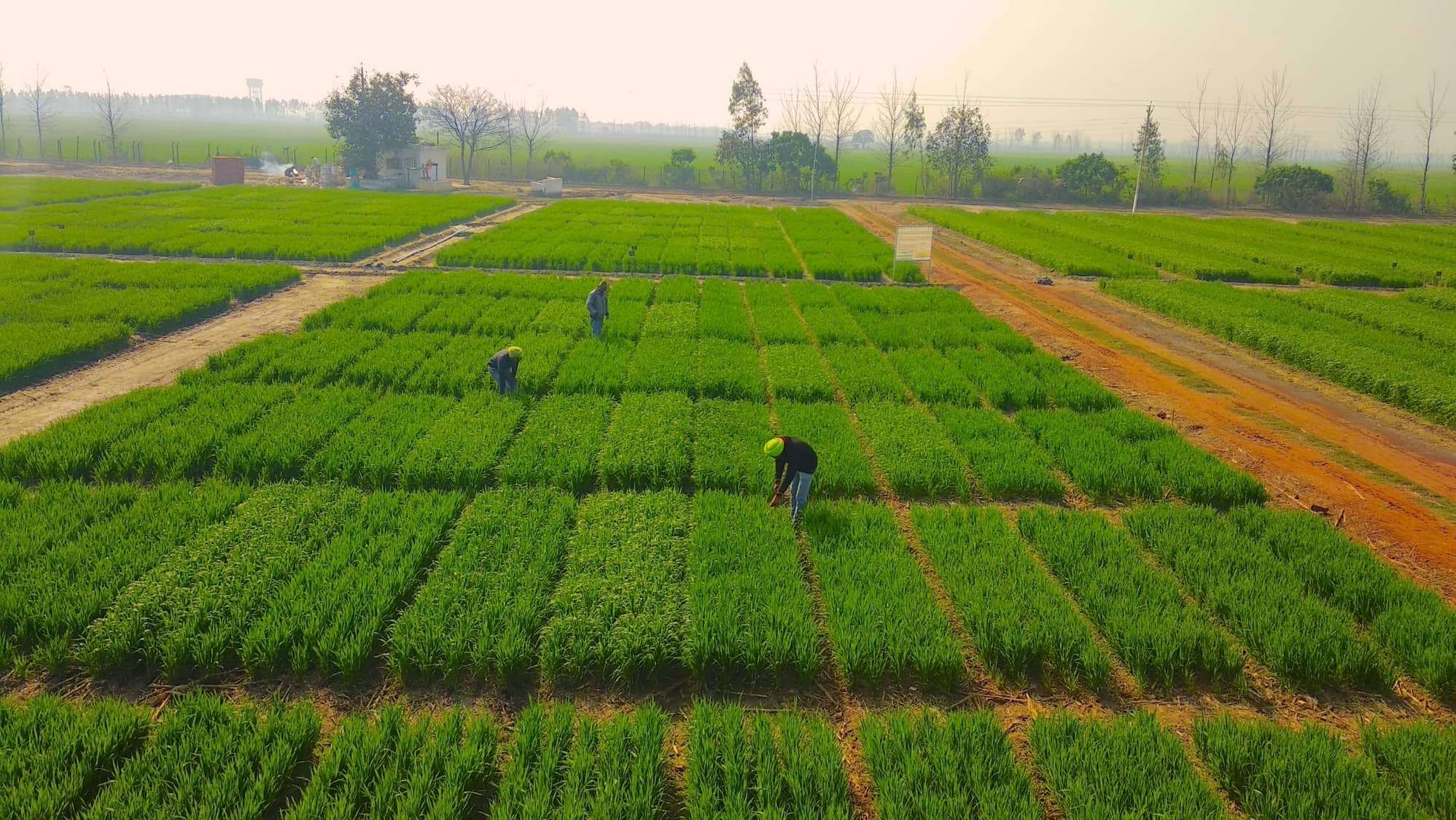
The check basin method is an irrigation technique used in agriculture to provide water to crops in a controlled manner. It involves creating small retention basins or depressions around plants or between rows of crops. Water is then introduced into these basins, allowing for slow infiltration and absorption by the soil around the plant roots. This method aims to reduce water losses through evaporation and maximize water use by providing targeted irrigation directly where the plants need it. It is particularly effective in arid or semi-arid areas where water is scarce and valuable.
Advantages :
- Water Conservation: The check basin method helps conserve water by reducing runoff and evaporation. Water is applied directly to the root zone of plants, minimizing losses and maximizing efficiency.
- Improved Soil Moisture Distribution: This method promotes better soil moisture distribution by allowing water to infiltrate slowly and evenly into the soil, ensuring more consistent hydration for plant roots.
- Cost-Effectiveness: Check basins are relatively simple and inexpensive to construct and maintain compared to some other irrigation systems, making them accessible to farmers with limited resources.
Disadvantages :
- Labor Intensive: The check basin method may require more labor for construction and maintenance, including digging and shaping basins, compared to automated irrigation systems.
- Risk of Overwatering: If not managed properly, check basins can lead to overwatering, especially in areas with heavy or clay soils, which can cause waterlogging and root rot.
- Limited Applicability: This method may not be suitable for all types of crops or soil conditions. Some crops may require more precise irrigation methods, while soils with poor infiltration rates may not benefit from this technique.

0
0
votes
Article Rating
Subscribe
Login
0 Comments
Oldest
Newest
Most Voted
Inline Feedbacks
View all comments