water tanker
Watch the video
Principle :
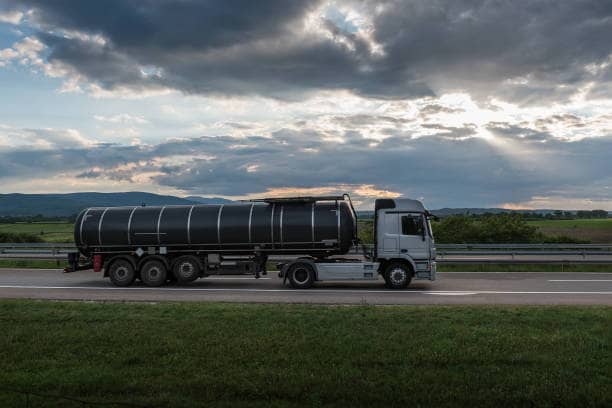
A "water tanker," also known as a water truck, is a vehicle specially designed for transporting and delivering water in large quantities. These tankers are equipped with watertight tanks capable of holding a large capacity of water, ranging from several thousand liters to tens of thousands of liters or more in some cases. They are used in a variety of contexts, including providing drinking water in areas where access to water is limited or transporting water for industrial, agricultural, or firefighting purposes. Water tankers play a crucial role in emergency situations such as droughts, natural disasters, or crisis situations where water supply is compromised.
Advantages :
- Mobility and Flexibility: Water tankers offer a mobile and flexible solution for transporting large quantities of water to areas where it is needed, even in remote or hard-to-reach locations.
- Emergency Response: They enable rapid response during emergency situations such as natural disasters, fires, or water shortages by quickly providing drinking water or supporting firefighting operations.
- Versatility of Use: In addition to providing drinking water, water tankers can be used for various applications such as agricultural irrigation, filling pools or reservoirs, or even cleaning construction sites.
Disadvantages :
- Operating Costs: Operating costs, including fuel, maintenance, and driver salaries, can be high, especially if journeys are long or if road conditions are challenging.
- Environmental Impact: Water tankers can contribute to air pollution and road wear, especially if they are frequently used over long distances.
- Capacity Limitation: Although water tankers can transport large quantities of water, their capacity is limited by the size of the tank, which may be insufficient to meet massive water needs during certain emergency situations.
0
0
votes
Article Rating
Subscribe
Login
0 Comments
Oldest
Newest
Most Voted
Inline Feedbacks
View all comments