UV water disinfection
Watch the video
Principle :
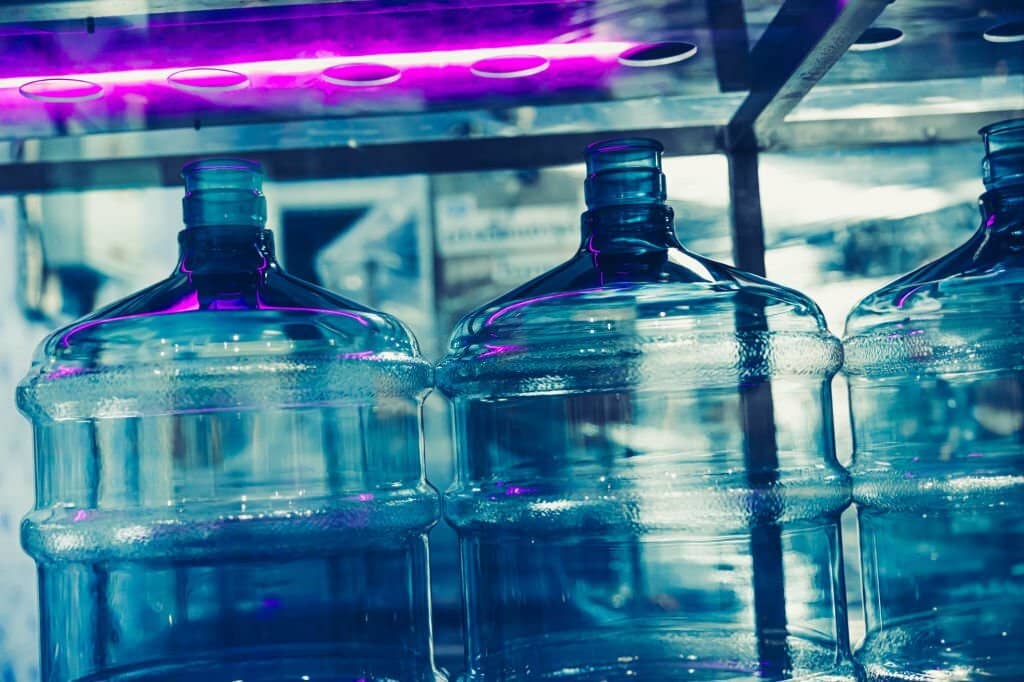
UV water disinfection is a water treatment method that uses ultraviolet (UV) light to kill or inactivate pathogenic microorganisms such as bacteria, viruses, and protozoa. This technique involves exposing water to a UV light source at a specific wavelength (typically around 254 nanometers), which penetrates the cells of microorganisms and damages their DNA, preventing them from reproducing and causing disease. UV disinfection is an effective, chemical-free method that leaves no residue in the treated water. It is widely used in drinking water treatment systems, swimming pools, and wastewater treatment facilities.
Advantages :
- High Efficiency: UV disinfection can quickly eliminate or inactivate a wide range of pathogenic microorganisms, including bacteria, viruses, and protozoa, without using chemicals.
- No Chemical Residues: Unlike chemical disinfection methods such as chlorine, UV disinfection leaves no residues in the water, avoiding the risk of forming potentially harmful by-products.
- Low Maintenance: UV disinfection systems are generally easy to install and require minimal maintenance, apart from the periodic replacement of UV lamps.
Disadvantages :
- No Residual Protection: Unlike chemical disinfectants, UV disinfection does not provide residual protection in the water distribution system, meaning there is no ongoing protection against potential recontamination.
- Dependent on Water Clarity: The effectiveness of UV disinfection can be reduced if the water is turbid or contains suspended matter, as these particles can block or scatter the UV light.
- Initial Cost: UV disinfection systems can have a high initial cost in terms of equipment installation, although operational costs are generally low thereafter.

0
0
votes
Article Rating
Subscribe
Login
0 Comments
Oldest
Newest
Most Voted
Inline Feedbacks
View all comments