ultrafiltration
Watch the video
Principle :
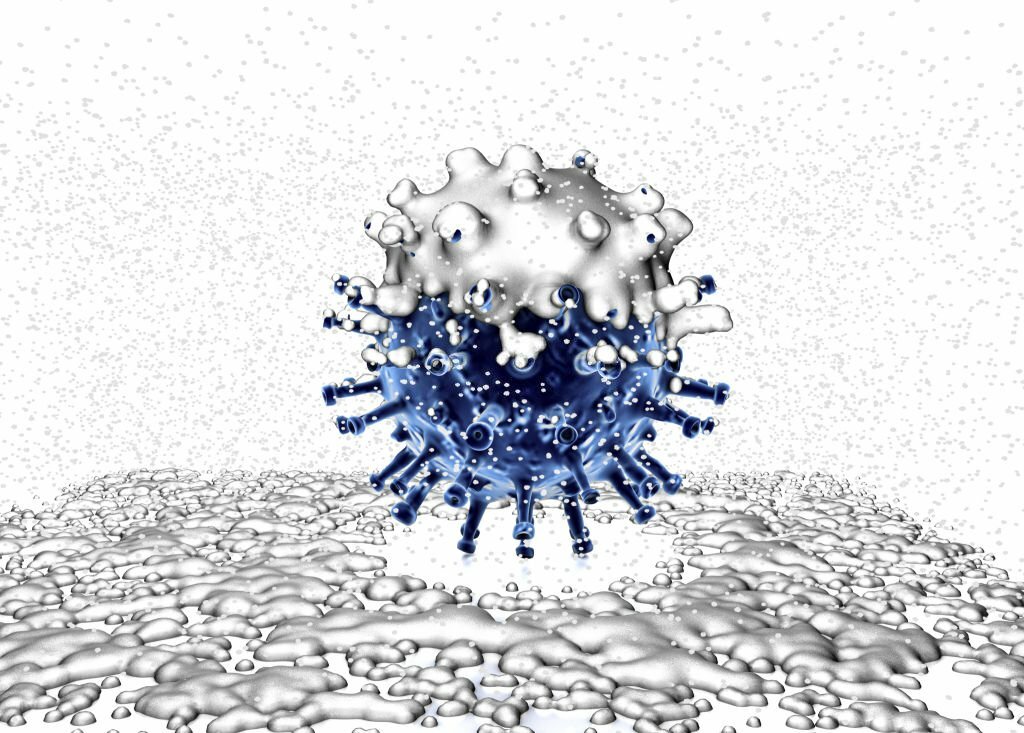
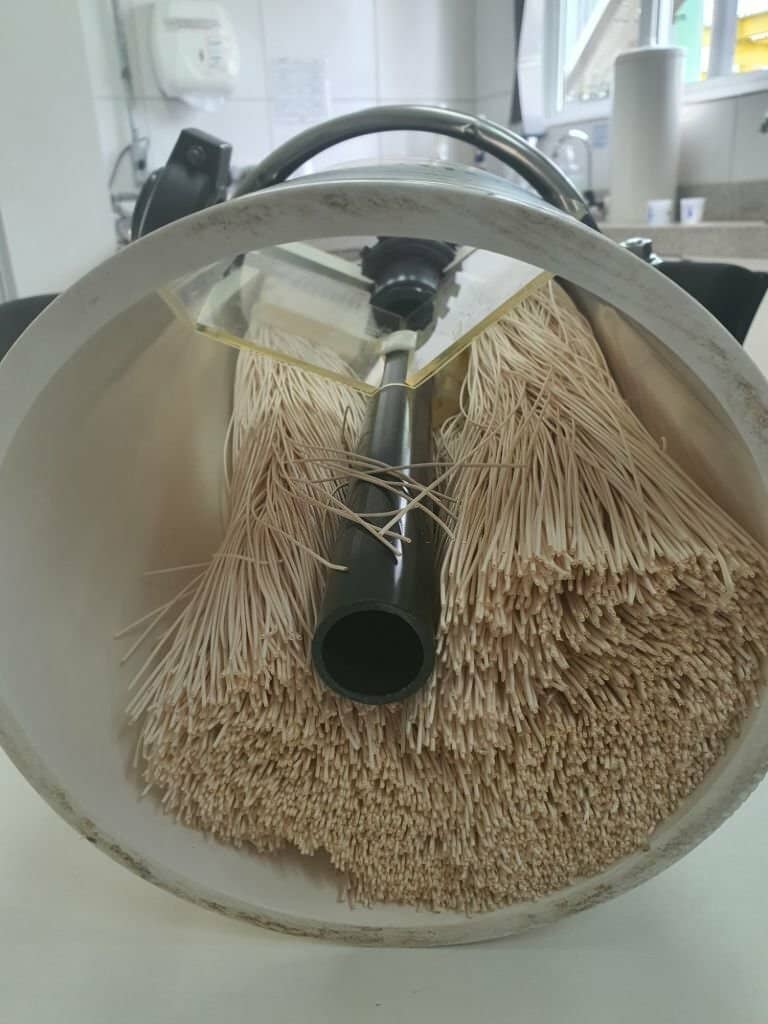
Ultrafiltration is a filtration process used to separate particles and large-size macromolecules present in a liquid. This technique employs porous membranes that retain the particles and large molecules while allowing the solvent and small molecules to pass through. The membranes used in ultrafiltration have controlled pore sizes, typically in the nanometer range, which enables the selection of molecules to be retained based on their size and molecular weight. Ultrafiltration finds wide applications in various fields, including water treatment, protein separation, and purification of biological fluids.
Advantages :
- Effective Particle Removal: Ultrafiltration effectively removes particles, macromolecules, and microorganisms from liquids, improving their quality.
- Selective Separation: This method allows for selective separation based on the size of molecules, enabling the retention of desired components while allowing smaller molecules to pass through.
- Low Energy Consumption: Compared to other filtration techniques, ultrafiltration typically requires lower energy consumption, making it cost-effective for large-scale applications.
Disadvantages :
- Membrane Fouling: Ultrafiltration membranes can become fouled over time due to the accumulation of particles and contaminants, reducing filtration efficiency and requiring regular cleaning or replacement.
- Limited Removal of Small Molecules: While effective for removing larger particles and molecules, ultrafiltration may not be suitable for removing very small molecules or ions.
- Initial Investment: Implementing ultrafiltration systems can require significant initial investment in equipment and maintenance, especially for large-scale applications.