Mulching technique
Watch the video
Principle :
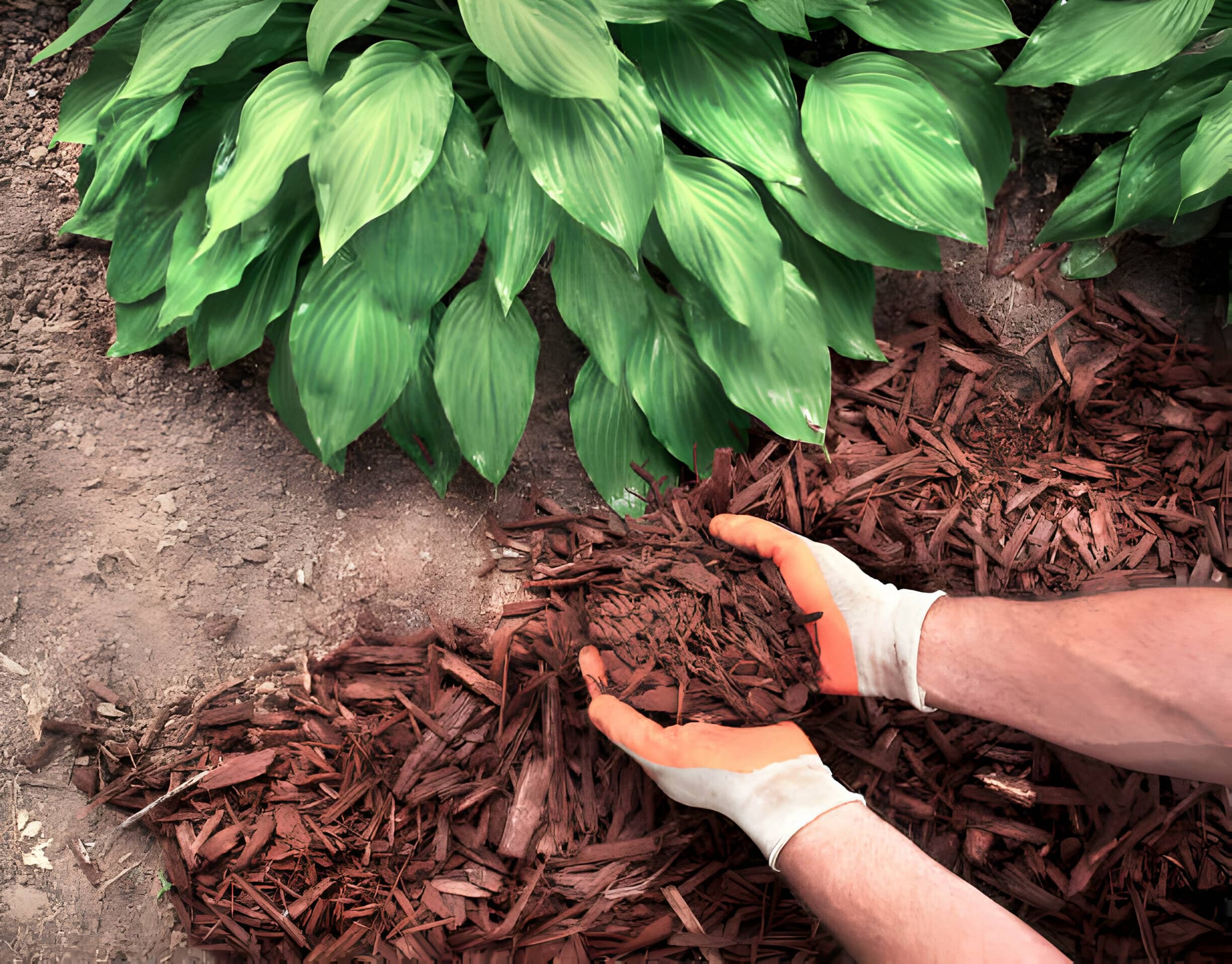
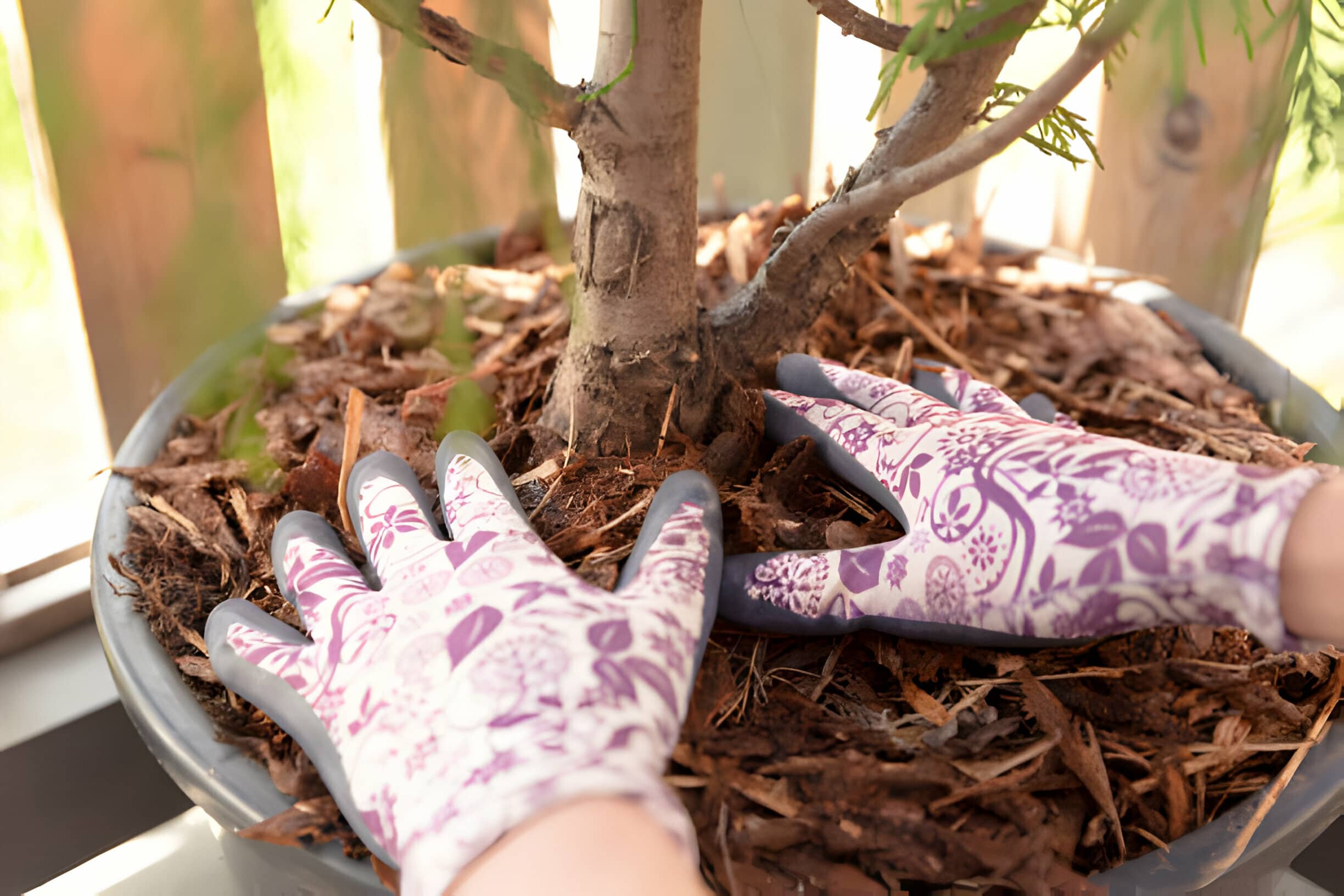
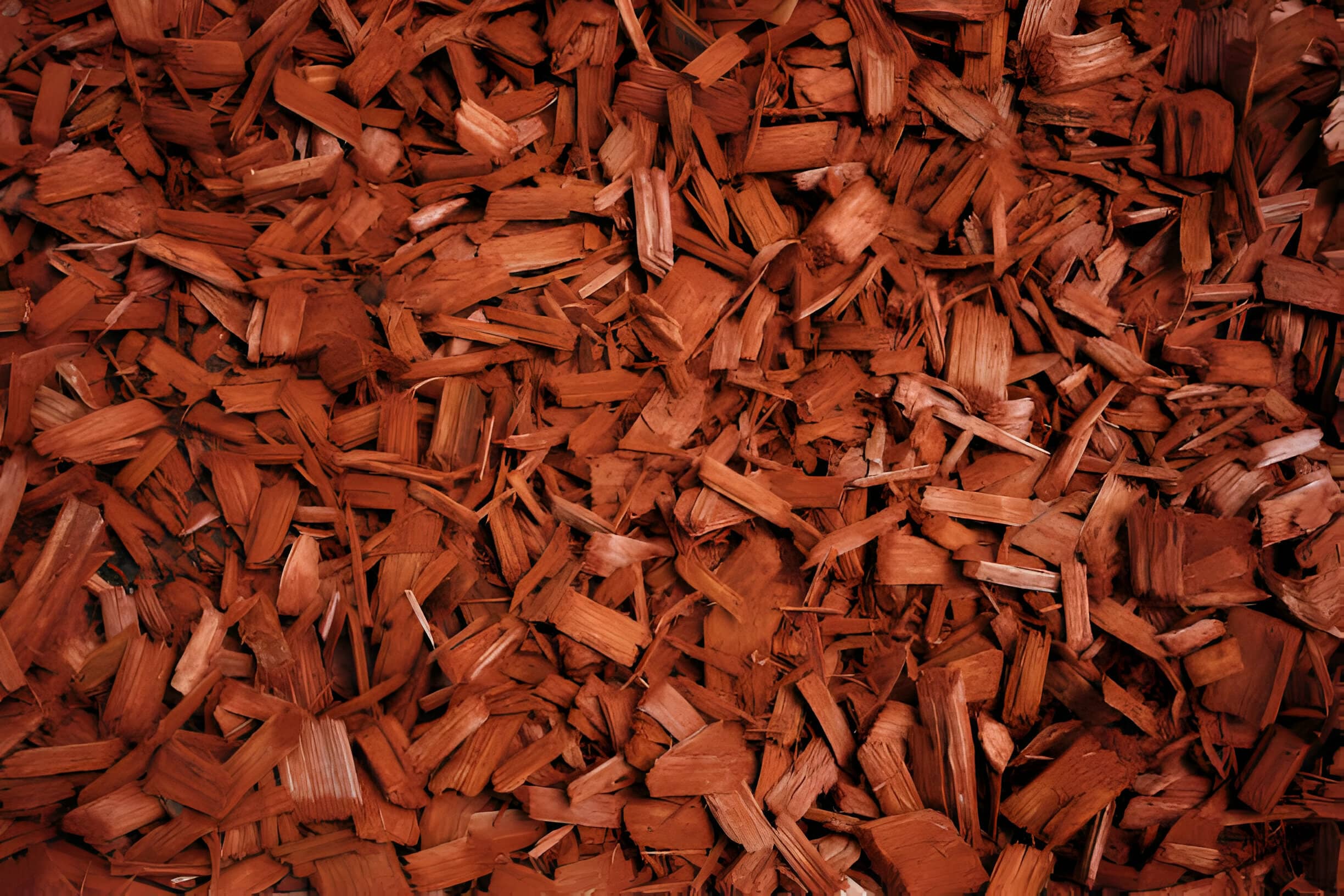
The "mulching technique" is a gardening and agricultural practice that involves covering the soil surface around plants with a layer of organic or synthetic material, known as mulch. This layer serves several purposes, including moisture retention, weed suppression, temperature regulation, and soil improvement. Mulching helps to conserve soil moisture by reducing evaporation, thereby promoting healthier plant growth and reducing the need for frequent watering. It also helps to suppress weed growth by blocking sunlight from reaching weed seeds, preventing them from germinating and competing with cultivated plants for nutrients and water. Additionally, mulch acts as an insulating barrier, moderating soil temperature fluctuations and protecting plant roots from extreme heat or cold. Furthermore, organic mulches such as compost, straw, or shredded leaves gradually decompose over time, enriching the soil with organic matter and nutrients, and improving its structure and fertility. Overall, the mulching technique is a sustainable and effective method for enhancing soil health, conserving water, and promoting robust plant growth in gardens, landscapes, and agricultural fields.
Advantages :
- Soil moisture conservation: Mulching reduces water evaporation from the soil, helping to maintain optimal moisture levels for plants, thus reducing the need for frequent watering.
- Weed suppression: A layer of mulch helps smother weed growth by blocking sunlight, reducing the need for manual weeding and allowing cultivated plants to thrive without competition.
- Soil structure improvement: Organic mulches gradually decompose, adding organic matter to the soil and enhancing its structure, texture, and fertility over time.
Disadvantages :
- Initial cost: Purchasing mulch materials can incur an initial cost, especially if a large quantity is needed to cover a significant area.
- Decomposition and replacement: Organic mulches decompose over time and need to be replaced regularly, requiring periodic maintenance and replenishment.
- Potential shelter for pests: In some cases, organic mulches may provide shelter for certain pests or plant diseases if not properly managed, leading to health issues for crops.
0
0
votes
Article Rating
Subscribe
Login
0 Comments
Oldest
Newest
Most Voted
Inline Feedbacks
View all comments